Showing posts with label canoe. Show all posts

Saturday, July 11, 2020

Awasome Susquehanna River Canoe Trips Ideas

Canoe Susquehanna Guided River Trips A Summer Highlight
Canoe Susquehanna Guided River Trips A Summer Highlight from www.innatturkeyhill.com

The Susquehanna River, located in the northeastern United States, offers a unique and thrilling experience for canoe enthusiasts. With its calm waters and stunning natural beauty, it is the perfect destination for a canoe trip. Whether you are a beginner or an experienced paddler, the Susquehanna River has something to offer for everyone.

Planning a canoe trip can be overwhelming, especially if you are not familiar with the area. From finding the right equipment to navigating the river, there are many factors to consider. However, with proper planning and preparation, a Susquehanna River canoe trip can be a memorable and rewarding experience.

One of the main targets of Susquehanna River canoe trips is to explore the river's natural beauty and wildlife. The river is home to a variety of flora and fauna, including bald eagles, herons, and otters. Paddling along the river allows you to get up close and personal with these incredible creatures while enjoying the tranquility of the surroundings.

In summary, a Susquehanna River canoe trip is a great way to explore the natural beauty of the river and its wildlife. Whether you are a beginner or an experienced paddler, there are options available for everyone. Proper planning and preparation are key to ensuring a safe and enjoyable trip. So grab your paddle and embark on an adventure on the Susquehanna River!

Susquehanna River Canoe Trips: A Personal Experience

During my recent trip to the Susquehanna River, I was blown away by the beauty and serenity of the surroundings. The calm waters and lush greenery made for a picturesque journey. As I paddled along, I couldn't help but be amazed by the diverse wildlife that called the river home. From bald eagles soaring above to otters playfully swimming alongside my canoe, every moment was a treat for the senses.

One of the highlights of my trip was exploring the hidden coves and secluded beaches along the river. These hidden gems offered a peaceful retreat from the bustling world. I spent hours exploring these hidden spots, taking in the breathtaking views and enjoying the solitude.

Another memorable aspect of my trip was learning about the history and myths surrounding the Susquehanna River. The river has played a significant role in the lives of the Native American tribes that once inhabited the area. It is believed to be a sacred river, with many myths and legends associated with its waters. Exploring these stories added an extra layer of depth to my canoe trip and made it even more meaningful.

If you're planning a Susquehanna River canoe trip, I highly recommend taking the time to discover the hidden secrets of the river. From secluded beaches to mythical tales, these hidden gems will make your trip truly special.

Recommendations for Susquehanna River Canoe Trips

Based on my personal experience, here are a few recommendations for making the most of your Susquehanna River canoe trip:

1. Plan your trip in advance and research the best spots to launch your canoe. 2. Pack essential gear, such as life jackets, sunscreen, and plenty of water. 3. Bring a camera to capture the stunning scenery and wildlife. 4. Consider hiring a guide or joining a guided tour for a more immersive experience.

Susquehanna River Canoe Trips: Exploring Nature in Detail

The Susquehanna River is not just a place for canoeing, but also a hotspot for nature lovers. With its diverse ecosystem and abundance of wildlife, it offers a unique opportunity to explore and appreciate the natural world.

The river is home to a wide variety of plant and animal species. From majestic bald eagles to playful river otters, there is always something new and exciting to discover. The river's surrounding forests are teeming with life, with countless species of birds, mammals, and reptiles calling it home.

One of the best ways to experience the river's natural beauty is by taking a leisurely paddle along its calm waters. As you glide through the water, you'll have the opportunity to spot various bird species perched on the riverbanks or soaring above. Keep an eye out for herons, ospreys, and kingfishers, among others.

Aside from its wildlife, the river is also home to a diverse array of plant life. From beautiful wildflowers that dot the riverbanks to towering trees that provide shade and shelter, the river's flora adds to its overall charm. Take a moment to appreciate the beauty and tranquility of the river as you paddle along.

Overall, a Susquehanna River canoe trip is not just a chance to paddle; it's an opportunity to connect with nature and appreciate the wonders of the natural world.

Tips for Susquehanna River Canoe Trips

Here are some tips to help you make the most of your Susquehanna River canoe trip:

1. Check the weather forecast before heading out and plan accordingly. 2. Pack a waterproof bag or dry box to keep your belongings safe and dry. 3. Dress appropriately for the weather and bring extra layers in case it gets chilly. 4. Familiarize yourself with the river's currents and potential hazards before setting off. 5. Take breaks and stretch your legs to avoid fatigue and muscle strain. 6. Respect the river and its wildlife by following Leave No Trace principles and avoiding disturbing the animals. 7. Have fun and enjoy the journey!

Susquehanna River Canoe Trips: Frequently Asked Questions

1. Q: Can I bring my own canoe for a Susquehanna River trip? A: Yes, you can bring your own canoe or rent one from a local outfitter. 2. Q: Are there any rapids on the Susquehanna River? A: The Susquehanna River is mostly calm and suitable for canoeing, with minimal rapids. 3. Q: How long does a typical canoe trip on the Susquehanna River take? A: The duration of a canoe trip can vary depending on the distance covered and the pace of the paddlers. It can range from a few hours to several days. 4. Q: Can I camp along the river during a canoe trip? A: Yes, there are several camping spots along the river where you can set up camp and spend the night.

Conclusion of Susquehanna River Canoe Trips

A canoe trip on the Susquehanna River is an adventure that offers something for everyone. Whether you're a nature lover, history buff, or simply looking for a peaceful escape, the river has it all. From exploring the river's natural beauty to uncovering its hidden secrets, a canoe trip on the Susquehanna River is an experience you won't soon forget. So grab your paddles, pack your gear, and get ready to embark on an unforgettable journey!

Incredible Canoe Comparison Chart 2023

How Far Can You Paddle a Kayak in a Day? We Tease the Data to Uncover
How Far Can You Paddle a Kayak in a Day? We Tease the Data to Uncover from paddlegeek.com

Are you in the market for a new canoe? With so many options to choose from, it can be overwhelming to find the perfect one. That's where a canoe comparison chart comes in handy. This tool allows you to easily compare different canoes side by side, helping you make an informed decision. In this blog post, we'll explore the benefits of using a canoe comparison chart and how it can help you find the right canoe for your needs.

When it comes to purchasing a canoe, there are several pain points that people often encounter. One of the biggest challenges is sorting through the vast array of options available. With so many different brands, sizes, and materials to choose from, it can be difficult to know where to start. Additionally, not all canoes are created equal, and it's important to find one that suits your specific needs and preferences.

So, what is the target of a canoe comparison chart? The main goal is to simplify the canoe buying process by providing a comprehensive overview of the available options. By comparing different canoes side by side, you can easily see the differences and similarities between them. This allows you to quickly identify the features that are most important to you and narrow down your choices.

In conclusion, a canoe comparison chart is a valuable tool for anyone in the market for a new canoe. It helps simplify the buying process by providing an easy way to compare different canoes side by side. By using a canoe comparison chart, you can quickly identify the features that are most important to you and find the perfect canoe for your needs.

Canoe Comparison Chart: Finding the Perfect Canoe

When I was searching for a new canoe, I was overwhelmed by the number of options available. I wanted a canoe that was lightweight, durable, and suitable for both solo and tandem paddling. That's when I came across a canoe comparison chart.

The canoe comparison chart allowed me to compare different canoes side by side, making it easy to see the differences and similarities between them. I was able to quickly identify the features that were most important to me and narrow down my choices.

One of the key features I was looking for was weight. I wanted a canoe that was lightweight and easy to transport. The canoe comparison chart allowed me to compare the weights of different canoes, making it easy to find one that met my criteria.

Another important factor for me was durability. I wanted a canoe that would last for many years, even with regular use. The canoe comparison chart allowed me to compare the materials used in different canoes, helping me find one that was built to last.

Overall, the canoe comparison chart was an invaluable tool in my search for the perfect canoe. It helped me quickly identify the features that were most important to me and find a canoe that met my needs. I highly recommend using a canoe comparison chart if you're in the market for a new canoe.

The History and Myth of Canoe Comparison Chart

The concept of a canoe comparison chart has been around for decades. It was originally developed as a way to help consumers make informed decisions when purchasing a canoe. Over the years, the chart has evolved and become more sophisticated, incorporating new features and information to better serve consumers.

There is a myth that canoe comparison charts are only for experienced paddlers. This is simply not true. Canoe comparison charts are designed to be user-friendly and accessible to paddlers of all skill levels. Whether you're a beginner or an experienced paddler, a canoe comparison chart can help you find the perfect canoe for your needs.

In reality, canoe comparison charts are a valuable tool for anyone in the market for a new canoe. They provide a comprehensive overview of the available options, making it easy to compare different canoes side by side. By using a canoe comparison chart, you can quickly identify the features that are most important to you and find a canoe that meets your needs.

The Hidden Secrets of Canoe Comparison Chart

While canoe comparison charts may seem straightforward, there are actually some hidden secrets that can help you get the most out of this tool. One of the secrets is to look beyond the basic features and consider the finer details.

For example, when comparing canoes, don't just look at the overall length and width. Take a closer look at the shape of the hull and the rocker. These factors can greatly impact the performance and maneuverability of the canoe.

Another hidden secret is to consider the weight capacity of the canoe. While it may be tempting to choose a canoe with a high weight capacity, keep in mind that this can impact the overall performance of the canoe. A canoe that is too heavy may be difficult to paddle and maneuver.

By paying attention to these hidden secrets, you can make a more informed decision when choosing a canoe. Take the time to thoroughly compare different canoes and consider all of the factors that are important to you.

Recommendation for Canoe Comparison Chart

When it comes to choosing a canoe, it's important to find one that meets your specific needs and preferences. That's where a canoe comparison chart can help. Here are some recommendations for using a canoe comparison chart:

1. Start by identifying your needs and preferences. What will you be using the canoe for? Are you planning on solo or tandem paddling? Do you need a lightweight canoe for easy transport?

2. Use the canoe comparison chart to compare different canoes side by side. Pay attention to the features that are most important to you, such as weight, durability, and maneuverability.

3. Consider the finer details. Look beyond the basic features and consider factors such as hull shape, rocker, and weight capacity.

4. Read reviews and gather feedback from other paddlers. While a canoe comparison chart can provide a great starting point, it's important to hear from others who have firsthand experience with the canoes you're considering.

5. Take your time and thoroughly compare different canoes. Don't rush into a decision. Consider all of the factors that are important to you and choose a canoe that meets your needs.

By following these recommendations, you can use a canoe comparison chart to find the perfect canoe for your needs.

Canoe Comparison Chart: Exploring the Different Types

When it comes to choosing a canoe, there are several different types to consider. Here are some of the most common types of canoes:

1. Recreational Canoes: These canoes are designed for casual paddling on calm lakes and slow-moving rivers. They are typically wide and stable, making them great for beginners.

2. Touring Canoes: These canoes are designed for longer trips and are often used for multi-day expeditions. They are typically longer and narrower than recreational canoes, making them more efficient and faster in the water.

3. Whitewater Canoes: These canoes are designed for navigating fast-moving rivers and rapids. They are typically shorter and have a more pronounced rocker, making them highly maneuverable.

4. Solo Canoes: These canoes are designed for solo paddlers and are often shorter and narrower than tandem canoes. They are typically lightweight and easy to maneuver.

5. Tandem Canoes: These canoes are designed for two paddlers and are often wider and more stable than solo canoes. They are great for paddling with a partner or for carrying gear on longer trips.

By understanding the different types of canoes available, you can use a canoe comparison chart to find the perfect canoe for your needs.

Tips for Using a Canoe Comparison Chart

Using a canoe comparison chart can be a great way to find the perfect canoe for your needs. Here are some tips to help you make the most of this tool:

1. Start by identifying your needs and preferences. What will you be using the canoe for? Are you planning on solo or tandem paddling? Do you need a lightweight canoe for easy transport?

2. Use the canoe comparison chart to compare different canoes side by side. Pay attention to the features that are most important to you, such as weight, durability, and maneuverability.

3. Consider the finer details. Look beyond the basic features and consider factors such as hull shape, rocker, and weight capacity.

4. Read reviews and gather feedback from other paddlers. While a canoe comparison chart can provide a great starting point, it's important to hear from others who have firsthand experience with the canoes you're considering.

5. Take your time and thoroughly compare different canoes. Don't rush into a decision. Consider all of the factors that are important to you and choose a canoe that meets your needs.

By following these tips, you can use a canoe comparison chart to find the perfect canoe for your needs.

Question and Answer

Q: Can I use a canoe comparison chart to find a canoe for fishing?

A: Yes, a canoe comparison chart can help you find a canoe that is suitable for fishing. Look for canoes that have features such as rod holders, storage compartments, and stability.

Q: How much does a canoe comparison chart cost?

A: Canoe comparison charts are typically available for free online. There are also some paid options available that may offer more features and information.

Q: Can

Friday, July 10, 2020

Awasome How Much Does A New Canoe Cost References

How Much Does A Kevlar Canoe Cost Rapids Riders Sports
How Much Does A Kevlar Canoe Cost Rapids Riders Sports from www.rapidsriders.net

Are you considering purchasing a new canoe? If so, you may be wondering, "How much does a new canoe cost?" This is a common question among those who are looking to enjoy the great outdoors and explore bodies of water. In this article, we will explore the average cost of a new canoe, as well as provide some insights and tips to help you make an informed decision.

When it comes to the cost of a new canoe, there are several factors to consider. The price can vary depending on the material, size, brand, and additional features. On average, a basic recreational canoe can cost anywhere from $500 to $1500. However, high-end canoes made from premium materials can cost upwards of $3000 or more. It's important to determine your budget and prioritize the features that are most important to you.

In conclusion, the cost of a new canoe can vary greatly depending on various factors such as material, size, brand, and additional features. It's important to do your research, determine your budget, and prioritize the features that are most important to you. By considering these factors, you can find a new canoe that fits your needs and budget, allowing you to enjoy the beauty of nature and explore bodies of water with ease.

How much does a new canoe cost: A Personal Experience

When I decided to purchase a new canoe, I was faced with the question of how much it would cost. As an avid outdoors enthusiast, I wanted to invest in a high-quality canoe that would last for years to come. After conducting extensive research and visiting various outdoor stores, I found that the average cost of a new canoe ranged from $500 to $1500.

I ultimately decided to invest in a mid-range canoe that cost around $1000. This canoe was made from durable materials and had additional features such as built-in storage compartments and comfortable seating. While it was a bit pricier than some of the basic recreational canoes, I felt that the additional features and durability were worth the investment.

Since purchasing my new canoe, I have had countless adventures exploring lakes, rivers, and even the open ocean. The canoe has held up well and has provided me with a reliable and enjoyable way to navigate various bodies of water. The cost of the canoe was definitely justified by the countless memories and experiences it has provided.

What is a new canoe?

A new canoe is a type of boat that is specifically designed for paddling through bodies of water such as lakes, rivers, and even the ocean. Canoes typically have an open design with one or more seats and are propelled by paddles. They are often made from materials such as fiberglass, aluminum, or wood.

When purchasing a new canoe, it's important to consider the intended use and the materials used in its construction. Different materials offer varying levels of durability, weight, and performance. Fiberglass canoes, for example, are lightweight and durable, making them a popular choice for recreational paddlers. Aluminum canoes, on the other hand, are more affordable but may be heavier and less maneuverable.

The History and Myth of Canoe Cost

The cost of canoes has evolved over time, reflecting changes in materials, manufacturing processes, and consumer demand. In the past, canoes were primarily made from natural materials such as wood and animal skins. These canoes were often labor-intensive to build and were therefore more expensive.

However, with advancements in technology and the introduction of synthetic materials such as fiberglass and aluminum, the cost of canoes has become more affordable for the average consumer. Today, canoes are available in a wide range of prices to accommodate different budgets and preferences.

The Hidden Secret of Canoe Cost

While the cost of a new canoe may seem straightforward, there are hidden costs to consider. In addition to the purchase price of the canoe itself, you may also need to budget for accessories such as paddles, life jackets, and transportation equipment. These additional costs can add up quickly, so it's important to factor them into your overall budget.

Another hidden secret of canoe cost is the potential for additional expenses down the line. Canoes, like any other watercraft, require regular maintenance and occasional repairs. It's important to budget for these costs and consider them when making your purchasing decision.

Recommendation for Canoe Cost

When it comes to purchasing a new canoe, it's important to find the right balance between cost and quality. While it may be tempting to opt for the cheapest option available, it's important to consider the long-term durability and performance of the canoe. Investing in a higher-quality canoe may save you money in the long run by avoiding frequent repairs or replacements.

It's also a good idea to read reviews and seek recommendations from other canoe enthusiasts. They can provide valuable insights and recommendations based on their own experiences. Additionally, visiting outdoor stores and speaking with knowledgeable staff members can help you make an informed decision and find the best canoe for your needs and budget.

Canoe Cost: Explained in More Detail

When considering the cost of a new canoe, it's important to understand the factors that contribute to the price. Some of the main factors include:

  • Material: Canoes can be made from a variety of materials, each with its own cost and performance characteristics.
  • Size: The size of the canoe can impact its cost, with larger canoes generally being more expensive.
  • Brand: Well-known brands or those with a reputation for quality may have a higher price tag.
  • Additional Features: Canoes with additional features such as built-in storage compartments or adjustable seating may cost more.

By understanding these factors and considering your own needs and budget, you can make a more informed decision when purchasing a new canoe.

Tips for Canoe Cost

When it comes to getting the best value for your money when purchasing a new canoe, consider the following tips:

  • Do your research: Look for reviews, compare prices, and learn about different brands and materials.
  • Visit outdoor stores: Take the time to visit outdoor stores and speak with knowledgeable staff members who can provide guidance and recommendations.
  • Consider used canoes: If budget is a concern, consider purchasing a used canoe. Just be sure to thoroughly inspect it for any damage or wear and tear.
  • Factor in additional costs: Remember to budget for accessories, transportation equipment, and potential maintenance and repair costs.

By following these tips, you can find a new canoe that meets your needs and budget, allowing you to enjoy the beauty of nature and explore bodies of water with confidence.

How much does a new canoe cost: Frequently Asked Questions

Q: Are there any financing options available for purchasing a new canoe?

A: Some outdoor stores may offer financing options for purchasing a new canoe. It's best to inquire with the specific store regarding their financing options.

Q: Are there any additional costs associated with owning a canoe?

A: Yes, there can be additional costs associated with owning a canoe. These can include accessories such as paddles and life jackets, transportation equipment, and potential maintenance and repair costs.

Q: Can I rent a canoe instead of purchasing one?

A: Yes, many outdoor stores and recreational facilities offer canoe rentals. This can be a cost-effective option if you only plan on using a canoe occasionally.

Q: How do I know if a canoe is the right size for me?

A: The right size canoe for you will depend on your height, weight, and intended use. It's best to visit an outdoor store and speak with a knowledgeable staff member who can help you find the right fit.

Conclusion of how much does a new canoe cost

In conclusion, the cost of a new canoe can vary greatly depending on factors such as material, size, brand, and additional features. On average, a basic recreational canoe can cost anywhere from $500 to $1500, while high-end canoes can cost upwards of $3000 or more. It's important to determine your budget, prioritize the features that are most important to you, and consider additional costs such as accessories and potential maintenance and repair expenses. By doing your research and making an informed decision, you can find a new canoe that fits your needs and budget, allowing you to enjoy the beauty of nature and explore bodies of water with ease.

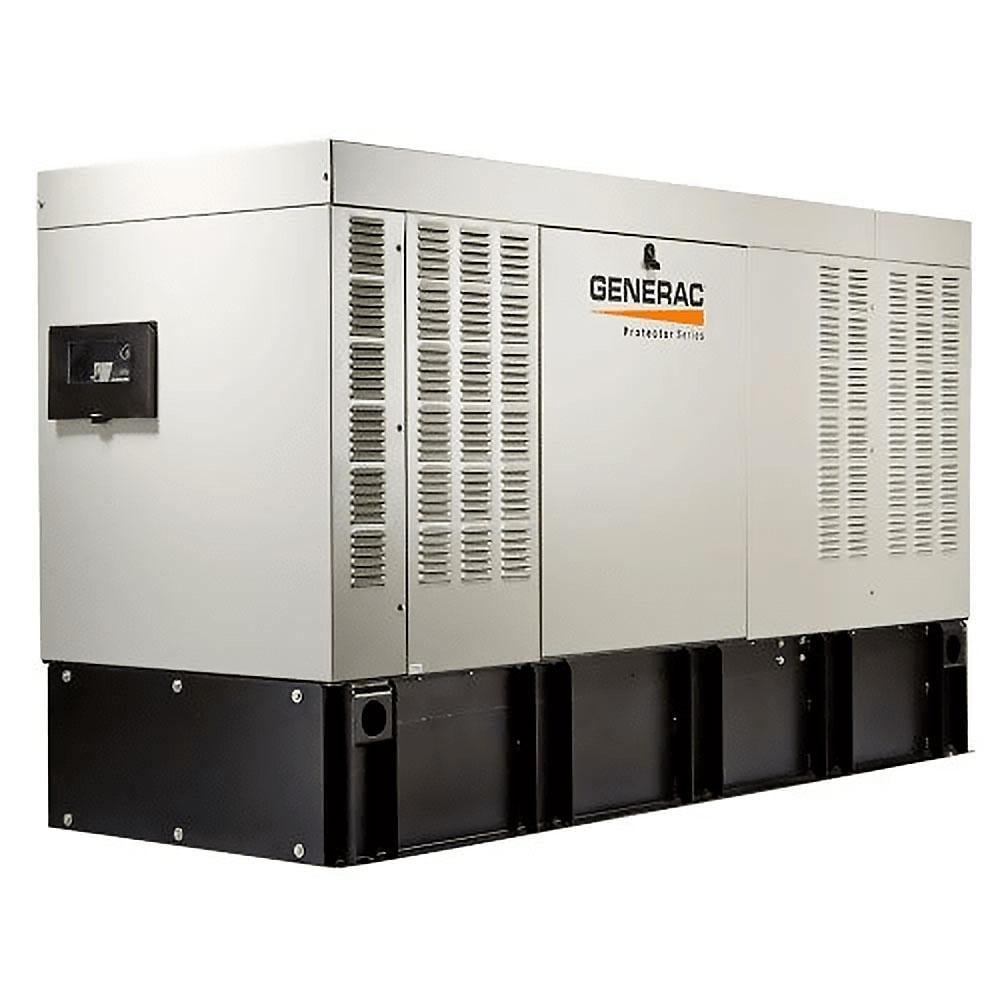
Best Whole-House Generators

Table Of Content Find The Right Home Backup Generator For You Are propane generators better than gas? Best Whole House Generators Of April 2...